

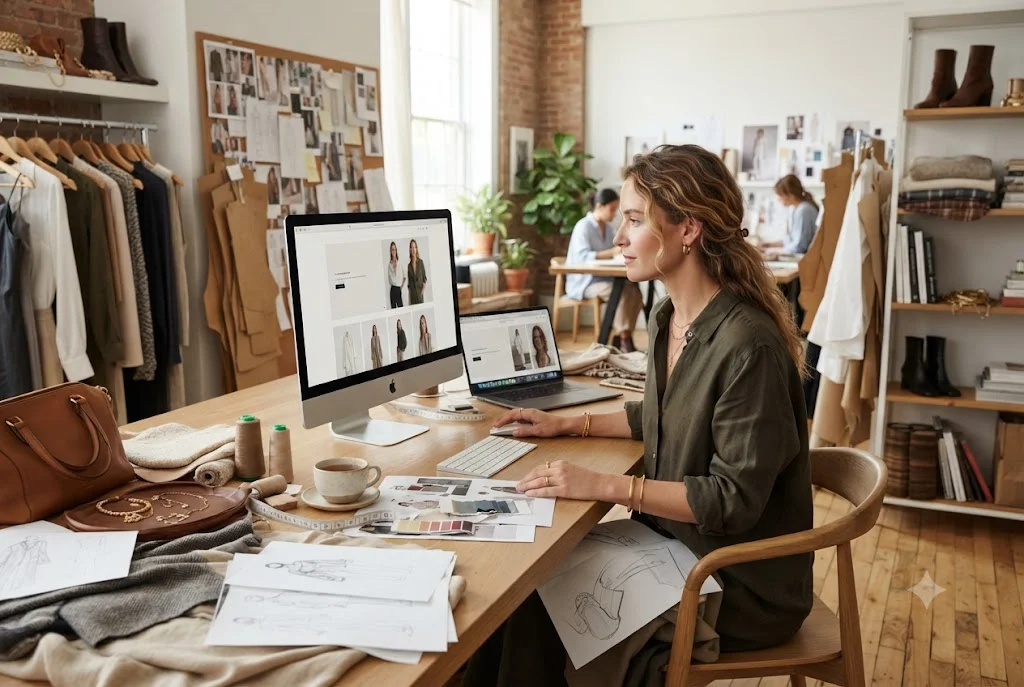
A professional fashion website design is no longer just an online brochure—it’s the digital storefront that shapes how customers perceive your brand. Whether you’re launching a boutique clothing label, luxury fashion house, or independent designer collection, your website should inspire confidence, showcase products beautifully, and provide a seamless shopping experience. In today’s competitive fashion industry, investing in an engaging, user-friendly website can significantly improve brand recognition, customer trust, and online sales.
Successful fashion websites combine elegant aesthetics with practical functionality. From responsive layouts and immersive imagery to fast loading speeds and intuitive navigation, every design element contributes to the customer journey.
Why Fashion Website Design Matters
The fashion industry is highly visual. Consumers often decide within seconds whether they want to continue browsing a website. A professionally designed website communicates quality, credibility, and attention to detail.
Effective fashion websites help businesses:
- Create memorable first impressions.
- Strengthen brand identity.
- Increase customer engagement.
- Improve product discovery.
- Generate higher conversion rates.
- Support long-term business growth.
Whether you’re selling luxury collections or everyday apparel, your website plays a vital role in influencing purchasing decisions.
Essential Features of the Best Fashion Website Design
Premium Visual Experience
The best fashion website design places high-quality photography at the center of the user experience. Lifestyle imagery, product close-ups, editorial banners, and seasonal campaigns help customers connect emotionally with your brand.
Mobile-First Design
Most fashion shoppers browse on smartphones. Responsive layouts ensure that product pages, menus, checkout processes, and images display perfectly across all devices.
Simple Navigation
Visitors should quickly find clothing categories, new arrivals, collections, accessories, and sale items. Well-structured navigation reduces frustration and encourages longer browsing sessions.
Fast Loading Speed
Large fashion images should be properly optimized without sacrificing quality. Faster websites improve both user experience and search engine rankings.
Clear Product Pages
Each product page should include:
- Multiple product images
- Zoom functionality
- Size guides
- Colour options
- Availability information
- Detailed descriptions
- Customer reviews
Characteristics of the Best Fashion Web Design
The best fashion web design balances creativity with usability. While visual appeal is essential, users should never struggle to navigate or complete purchases.
Successful fashion brands often prioritize:
- Minimalist layouts
- Consistent typography
- Elegant white space
- Strong visual hierarchy
- Easy checkout process
- Accessible design principles
These elements create a premium shopping experience while supporting higher conversion rates.
Fashion Website Examples That Inspire
Many leading fashion brands demonstrate how thoughtful design can elevate online shopping experiences. Looking at successful fashion website examples reveals common patterns such as immersive photography, intuitive navigation, personalized shopping recommendations, and streamlined checkout experiences.
Rather than copying competitors, businesses should study these examples to understand how design decisions improve usability and strengthen branding.
Website Design for Fashion Designers
Independent designers often require different functionality than large retailers. Modern websites for fashion designers typically focus on storytelling, portfolio presentation, lookbooks, collection launches, and direct communication with customers.
Essential sections may include:
- Designer biography
- Latest collections
- Editorial galleries
- Press coverage
- Contact information
- Appointment booking
- Online shop
This approach helps designers build credibility while showcasing their creative identity.
Brand Identity Through Website Design
Strong brand websites consistently reflect the company’s personality. Colours, fonts, imagery, messaging, and overall layout should align with the brand’s values.
Luxury labels often prefer sophisticated typography and minimalist layouts, while youthful fashion brands may choose bold colours, dynamic animations, and interactive experiences.
Consistency across every page strengthens customer trust and improves brand recognition.
User Experience Makes the Difference
Excellent user experience goes beyond attractive visuals. Fashion customers expect websites that are intuitive, fast, and enjoyable to use.
Important UX considerations include:
- Smart search functionality
- Product filtering
- Wishlist features
- Secure checkout
- Guest checkout options
- Simple returns information
- Clear delivery details
Reducing friction throughout the purchasing journey helps improve customer satisfaction and repeat purchases.
SEO Considerations for Fashion Websites
Even the most attractive website needs visibility. Search engine optimization helps fashion brands attract organic traffic from users actively searching for products and inspiration.
Effective SEO practices include:
- Optimized page titles
- Descriptive meta descriptions
- Structured headings
- Image optimization
- Internal linking
- Schema markup
- Fast page performance
Businesses can also improve discoverability by following guidance from the Google Search Central documentation.
Preparing for Future Growth
A successful fashion website should scale alongside your business. As your catalogue expands, the website should easily accommodate additional collections, categories, seasonal campaigns, and international markets.
Businesses planning to launch online stores can also benefit from understanding fashion ecommerce sites, while premium brands may explore advanced approaches in luxury website design to deliver even more exclusive digital experiences.
Final Thoughts
Outstanding fashion website design combines visual storytelling, excellent usability, responsive performance, and strong branding. Whether you’re building a website for an independent designer, boutique retailer, or established fashion label, prioritizing user experience and search engine optimization creates a strong foundation for long-term success. As consumer expectations continue to evolve, investing in thoughtful web design remains one of the most valuable decisions any fashion business can make.
