

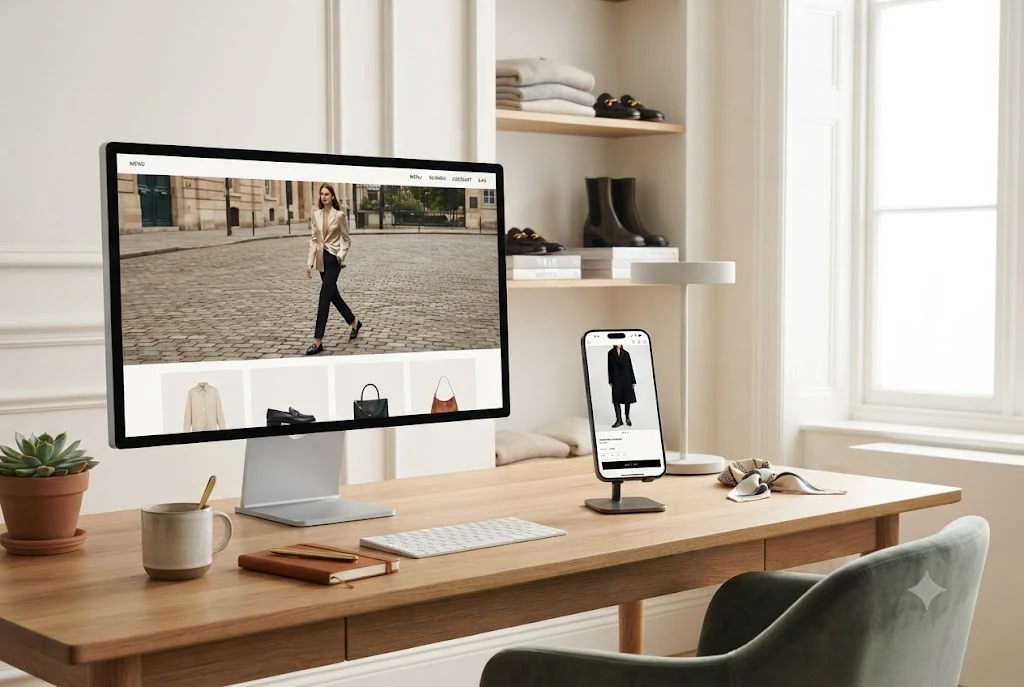
The growth of fashion ecommerce sites has transformed the way consumers discover, compare, and purchase clothing, footwear, and accessories. Whether you’re an independent fashion label or an established luxury retailer, a well-designed ecommerce platform allows you to reach customers around the world while delivering a convenient shopping experience. Success, however, depends on far more than simply listing products online. The best fashion ecommerce websites combine premium design, intuitive navigation, secure payments, and exceptional customer service to create lasting relationships with shoppers.
As online competition continues to grow, fashion brands must invest in digital experiences that inspire confidence, strengthen brand identity, and make shopping effortless across every device.
Why Fashion Ecommerce Sites Matter
Modern consumers expect convenience, speed, and personalisation. A professionally built ecommerce website allows fashion businesses to showcase collections, launch seasonal campaigns, and engage customers twenty-four hours a day.
Benefits of successful fashion ecommerce websites include:
- Global customer reach.
- Lower operational costs than physical stores.
- Improved brand visibility.
- Personalised shopping experiences.
- Better customer insights through analytics.
- Scalable business growth.
With the right strategy, ecommerce becomes a powerful channel for increasing both sales and customer loyalty.
Essential Features of the Best Fashion Ecommerce Sites
Outstanding Product Photography
Fashion purchases rely heavily on visuals. High-resolution product images, multiple viewing angles, zoom functionality, and lifestyle photography help shoppers make informed buying decisions.
Mobile-Friendly Shopping
Most online fashion purchases now begin on smartphones. Responsive layouts ensure customers enjoy the same seamless experience across desktops, tablets, and mobile devices.
Advanced Product Filtering
Customers should easily filter products by:
- Size
- Colour
- Brand
- Price
- Collection
- Availability
- Style
Effective filtering improves usability while helping shoppers quickly find relevant products.
Simple Checkout Process
A lengthy checkout often results in abandoned baskets. Successful ecommerce sites minimise unnecessary steps while supporting secure payment methods and guest checkout options.
Understanding Luxury Ecommerce
Luxury ecommerce requires a different approach from traditional online retail. Premium customers expect elegant branding, exclusive experiences, personalised recommendations, and exceptional customer service throughout the buying journey.
Luxury retailers often include:
- Editorial-style product pages.
- Virtual appointments.
- Exclusive member collections.
- Premium packaging information.
- Personal shopping services.
- Concierge support.
These features reinforce exclusivity while enhancing customer confidence.
Luxury Fashion Ecommerce Best Practices
Successful luxury fashion ecommerce websites combine sophisticated design with powerful ecommerce functionality. While beautiful visuals remain essential, usability should never be compromised.
Key priorities include:
- Fast page loading.
- Minimalist layouts.
- Premium typography.
- Secure payment processing.
- Detailed product descriptions.
- Transparent delivery information.
Customers investing in premium products expect every digital interaction to reflect the same quality found in-store.
The Rise of Luxury Fashion Online Marketplaces
Many brands also expand through established luxury fashion online marketplaces. These platforms introduce products to wider audiences while offering trusted payment systems and international shipping.
Businesses should carefully evaluate marketplace opportunities based on commission structures, target audiences, and brand positioning before expanding beyond their own ecommerce website.
Trusted Luxury Fashion Marketplaces
Several trusted luxury fashion marketplaces have built strong reputations by authenticating products and delivering reliable customer experiences. Features commonly offered include:
- Authentication services.
- Buyer protection.
- Secure transactions.
- International shipping.
- Professional customer support.
- Verified seller programmes.
Choosing reputable marketplaces helps brands protect their reputation while reaching new customers.
Best Luxury Fashion Marketplaces in Europe
Some of the best luxury fashion marketplaces in Europe specialise in premium designer clothing, handbags, footwear, and accessories. While each platform serves different audiences, successful marketplaces typically prioritise authenticity, customer service, and seamless shopping experiences.
Brands should assess whether marketplace selling complements their direct-to-consumer strategy or supports international expansion goals.
SEO Strategies for Fashion Ecommerce Websites
Search engine optimisation plays an essential role in attracting organic traffic. Optimising product pages, category pages, and informational content helps fashion businesses compete effectively in search results.
Important SEO practices include:
- Descriptive product titles.
- Optimised meta descriptions.
- Structured heading hierarchy.
- Image optimisation.
- Internal linking.
- Fast Core Web Vitals performance.
- Schema markup.
Google’s Search Central documentation provides valuable guidance for improving ecommerce visibility while maintaining excellent user experience.
Supporting Your Fashion Technology Strategy
Building a successful ecommerce platform starts with strong digital foundations. Businesses developing premium online stores should first understand the principles of fashion website design to create visually engaging user experiences. Luxury retailers can further strengthen their online presence by implementing the strategies discussed in luxury website design, ensuring every customer interaction reflects their premium brand identity.
Final Thoughts
Modern fashion ecommerce sites combine outstanding design, reliable technology, intuitive navigation, and customer-focused shopping experiences. Whether you’re building an independent online boutique or expanding an established luxury brand, investing in scalable ecommerce solutions creates opportunities for long-term growth. By balancing premium branding with excellent usability and SEO best practices, fashion businesses can attract more visitors, improve conversions, and build lasting customer relationships in an increasingly competitive online marketplace.
