

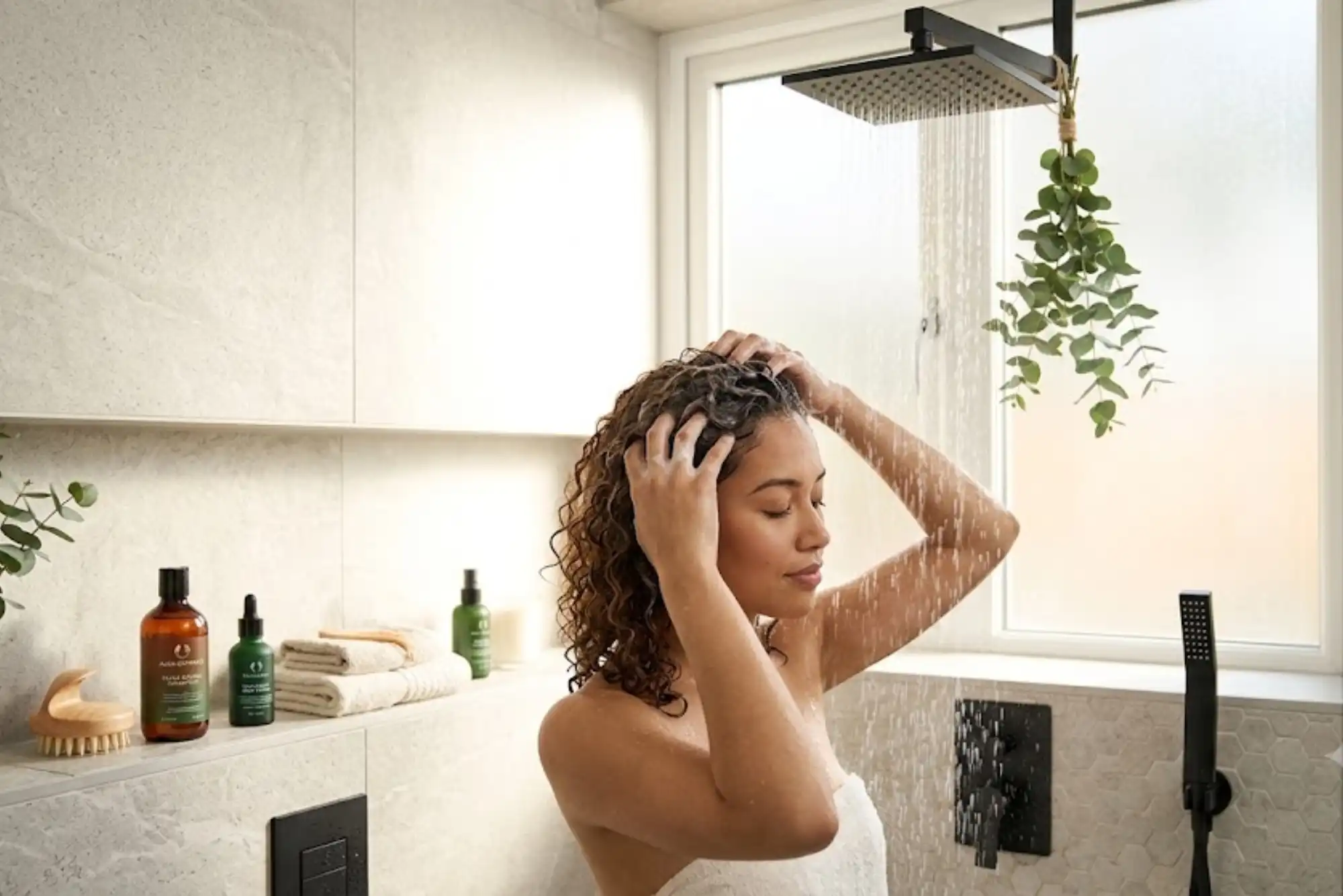
Dandruff is one of the most common scalp concerns, affecting people of all ages. While the white flakes can be frustrating, they’re usually manageable with the right haircare routine and an understanding of what may be causing them. If you’ve been searching for how to get dandruff out of hair, the solution often involves more than simply changing your shampoo.
A healthy scalp provides the foundation for healthy hair. Whether your dandruff is linked to dryness, excess oil, product build-up or a skin condition, adopting a consistent scalp care routine can help reduce flakes and improve overall hair health.
If your hair has also become damaged through colouring or heat styling, our guides on protein treatment for hair and best hair dye shampoo explain how to strengthen and protect your hair while maintaining a healthy scalp.
What Causes Dandruff?
Dandruff has several possible causes, and identifying the underlying issue can help you choose the most suitable treatment.
Common causes include:
- Excess oil production on the scalp
- Dry skin
- Overgrowth of naturally occurring scalp yeast
- Product build-up
- Sensitive skin
- Infrequent shampooing
- Certain skin conditions such as seborrhoeic dermatitis
Occasional flakes are common, but persistent itching or inflammation may require medical advice.
How to Get Dandruff Out of Hair Effectively
Managing dandruff usually involves a combination of gentle cleansing, suitable hair products and regular scalp care.
1. Use an Anti-Dandruff Shampoo
Specialist shampoos often contain ingredients such as:
- Zinc pyrithione
- Ketoconazole
- Selenium sulphide
- Coal tar
- Salicylic acid
Follow the instructions carefully, as some products need to remain on the scalp for several minutes before rinsing.
2. Wash Your Hair Regularly
For many people, regular washing helps remove excess oil, flakes and product build-up that can contribute to dandruff.
The ideal washing frequency depends on your hair type and scalp condition.
3. Avoid Scratching the Scalp
Although dandruff can be itchy, excessive scratching may irritate the scalp further and increase inflammation.
Best Shampoo for Dry Itchy Scalp UK
If you’re searching for the best shampoo for dry itchy scalp UK, look for products designed to cleanse gently while maintaining the scalp’s natural moisture balance.
Helpful ingredients may include:
- Colloidal oatmeal
- Aloe vera
- Glycerin
- Tea tree oil (where tolerated)
- Ceramides
If your symptoms persist despite using suitable products, it’s advisable to seek professional medical advice.
Managing an Oily Scalp with Dry Hair
Having an oily scalp with dry hair is surprisingly common. The scalp may produce excess sebum while the lengths and ends remain dry or damaged.
To help balance both concerns:
- Use shampoo primarily on the scalp.
- Apply conditioner only through the mid-lengths and ends.
- Avoid heavy styling products near the roots.
- Rinse thoroughly after washing.
- Use lightweight leave-in products if needed.
This approach helps cleanse the scalp without weighing down the hair.
Choosing the Best Shampoo for Curly Hair
Curly hair often requires additional moisture because natural oils travel less easily along textured hair strands.
When selecting the best shampoo for curly hair, consider products that:
- Cleanse gently without stripping moisture.
- Contain hydrating ingredients.
- Are free from harsh detergents where possible.
- Support curl definition.
Following shampoo with a nourishing conditioner helps reduce dryness and improve manageability.
Healthy Scalp Habits
Simple lifestyle habits can also support scalp health.
- Brush hair gently.
- Clean hairbrushes regularly.
- Avoid excessive heat styling.
- Manage stress where possible.
- Eat a balanced diet.
- Stay hydrated.
Healthy hair begins with a healthy scalp, so daily habits can make a meaningful difference over time.
Common Mistakes to Avoid
- Using harsh shampoos every day.
- Applying conditioner directly onto the scalp.
- Ignoring persistent scalp irritation.
- Changing products too frequently.
- Scratching the scalp aggressively.
Allow anti-dandruff products time to work before deciding whether they are effective.
When Should You See a GP?
If dandruff is severe, painful, spreads beyond the scalp or does not improve after several weeks of appropriate treatment, consult a GP or dermatologist. Persistent scalp symptoms may be linked to an underlying skin condition requiring medical treatment.
For trusted health information, the NHS guide to dandruff explains symptoms, treatments and when professional advice may be appropriate.
Final Thoughts
Understanding how to get dandruff out of hair starts with identifying the cause of your flakes and choosing products that suit your scalp rather than following one-size-fits-all advice. Whether you’re dealing with dryness, excess oil or a combination of both, a consistent routine using appropriate shampoos and gentle haircare practices can help improve scalp comfort and reduce visible flakes over time.
