

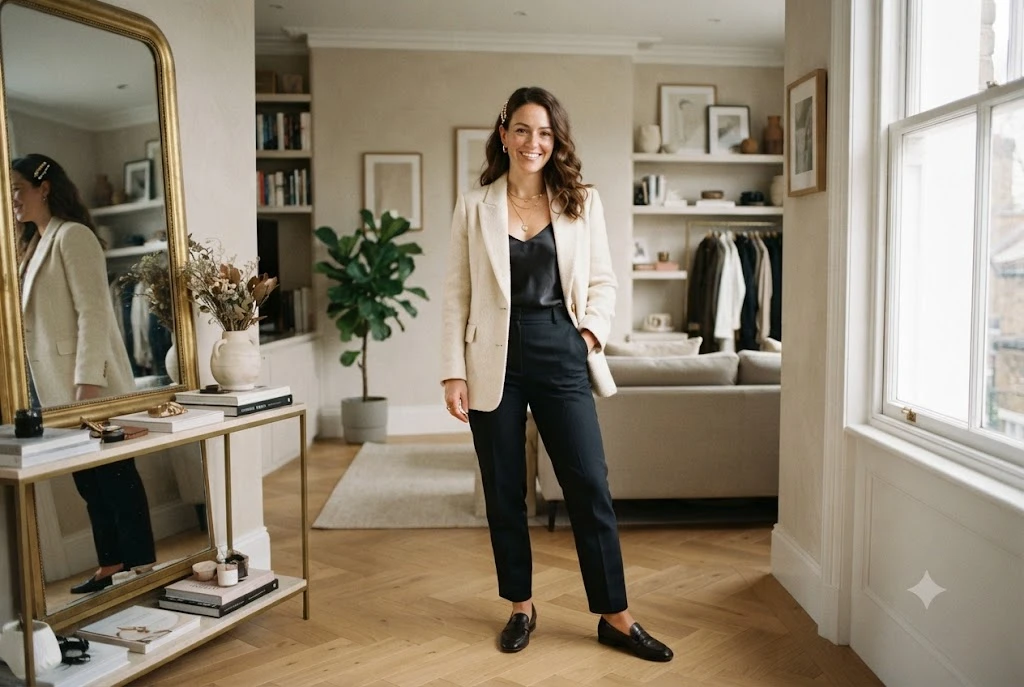
Confidence and style naturally influence one another. The way you dress can affect how prepared and comfortable you feel, while genuine self-belief can make even a simple outfit look intentional. However, developing personal style is not about following every trend or trying to achieve perfection. It is about understanding what suits your personality and wearing it with a sense of ease.
Whether you prefer a classic wardrobe, understated accessories or more expressive looks, style can become a useful form of self-expression. The strongest approach combines appearance with a healthy confidence mindset, so your sense of self-worth does not depend entirely on how you look.
What Is the Connection Between Confidence and Style?
Personal style is one of the ways people communicate without speaking. Clothing, colours, jewellery, hairstyles and accessories can all express aspects of personality, mood and preferences.
When you feel comfortable with your choices, you may naturally carry yourself differently. You might stand a little taller, make eye contact more easily or feel more prepared to enter a social or professional situation. That does not mean an outfit creates confidence by itself. Instead, feeling comfortable in what you are wearing can support the confidence you already have.
The relationship works in the other direction too. Someone with a strong sense of self does not necessarily need a complicated outfit to make an impression. Confidence can make simple choices feel distinctive because the person wearing them is comfortable with their identity.
Why a Confidence Mindset Matters
A confidence mindset is not about believing you are better than everyone else. It is about developing a balanced view of yourself and becoming less dependent on constant approval.
The NHS explains that healthy self-esteem involves having a more positive view of yourself, while low self-esteem can make people more critical of themselves and less willing to take on challenges. Its guidance recommends recognising your strengths, building positive relationships, being kind to yourself and taking on manageable challenges. NHS guidance on raising low self-esteem offers further practical information.
This matters when developing personal style because comparison can quickly turn fashion into pressure. If you constantly compare your appearance with celebrities, influencers, friends or strangers online, it can become difficult to recognise what you actually like.
A healthier mindset starts with a different question: “What makes me feel comfortable and like myself?”
How to Develop Your Personal Style
You do not need to reinvent your entire wardrobe. Start by identifying the pieces you already enjoy wearing and look for patterns.
Notice What You Naturally Reach For
Look through your wardrobe and identify the outfits you repeatedly choose. Perhaps you prefer neutral colours, structured jackets, soft fabrics, simple jewellery or classic silhouettes.
These preferences provide useful clues. Instead of forcing yourself into a style that looks fashionable on someone else, build around the elements you already enjoy.
Choose Comfort Without Losing Personality
Comfort and style do not need to be opposites. An outfit that looks beautiful but makes you constantly adjust it, worry about it or feel restricted may not be the best choice for your everyday life.
Look for clothing and accessories that allow you to move naturally while still reflecting your personality. When you are not distracted by discomfort, it can be easier to focus on the people and experiences around you.
Use Accessories to Express Yourself
Accessories can transform a simple outfit without requiring a completely new wardrobe. Earrings, necklaces, bracelets, hair accessories, bags and other details can provide subtle ways to show your personality.
This is particularly useful if your everyday clothing is relatively simple. A carefully chosen accessory can add character while keeping the overall look polished.
What Does Classy Looking Really Mean?
The phrase classy looking is often associated with polished outfits, but there is no single formula for looking elegant. Classy style can mean different things to different people.
Often, the impression comes from coordination rather than price. Clothes that fit comfortably, accessories that complement the outfit and a neat overall appearance can create a considered look without requiring designer labels.
Simple details can make a difference. Keeping jewellery balanced, choosing colours that work well together and avoiding unnecessary clutter can create an understated appearance.
Most importantly, elegance should not require you to hide your personality. A polished look can still include distinctive colours, favourite accessories or details that make the outfit recognisably yours.
How to Look Beautifully Confident
Being beautifully confident is less about having a particular appearance and more about how comfortably you present yourself. Confidence can be seen in small behaviours that have nothing to do with physical perfection.
Try focusing on the following:
- Stand naturally rather than forcing a posture.
- Make comfortable eye contact during conversations.
- Speak clearly without constantly apologising for your opinions.
- Choose clothing that reflects your personality.
- Avoid repeatedly checking whether others approve of your appearance.
- Accept that some days will feel more confident than others.
- Give yourself permission to experiment with your style.
These habits can make your presentation feel more authentic. You are not performing confidence for other people. You are becoming more comfortable being yourself.
Build a Wardrobe Around Confidence
A confidence-focused wardrobe does not need to contain dozens of pieces. Instead, it should contain items that you genuinely enjoy wearing and can combine easily.
Start with reliable basics. Depending on your personal preferences, these might include a well-fitting pair of trousers, a versatile top, a smart jacket, comfortable shoes and a few accessories.
Then add personality. Perhaps you enjoy statement earrings, elegant hair accessories, a distinctive handbag or a particular colour that makes you feel good.
The aim is to create a wardrobe where getting dressed becomes easier. When several pieces already work together, you spend less time worrying about whether everything matches and more time deciding what feels right for the day.
Confidence and Style Without Following Every Trend
Fashion trends can be fun, but following every new trend is not necessary for having great style. In fact, constantly changing your wardrobe can make it harder to identify your personal preferences.
Instead, treat trends as inspiration. If something genuinely appeals to you, consider how it could work with clothes and accessories you already own.
You might also adapt a trend rather than copying it completely. For example, if bold jewellery is popular but you prefer subtle accessories, choose one distinctive piece rather than changing your entire look.
This approach gives you room to experiment while maintaining a recognisable personal style.
Stop Comparing Your Style With Other People
Comparison is one of the quickest ways to undermine confidence. Someone else’s appearance, wardrobe or lifestyle does not provide a fair measurement of your own.
Photographs and social media can also present highly selected versions of people’s lives. Comparing your everyday appearance with someone else’s carefully chosen image can create unrealistic expectations.
Instead, use other people’s style for inspiration rather than judgement. If you see an outfit you like, identify the specific element that attracts you. It might be the colour combination, jewellery, silhouette or overall simplicity.
Then adapt that idea to your own personality and wardrobe.
Small Changes Can Make a Big Difference
You do not have to make dramatic changes to feel more confident in your appearance. Sometimes a small adjustment is enough to make an outfit feel more personal.
- Try a different accessory with an outfit you already own.
- Experiment with a colour you normally avoid.
- Organise your jewellery so your favourite pieces are easier to wear.
- Put together outfits in advance for busy mornings.
- Replace uncomfortable pieces with alternatives you genuinely enjoy.
- Take note of compliments that relate to your personal style.
- Keep photographs of outfits that make you feel particularly comfortable.
These small experiments help you learn what works. Over time, you can develop a clearer understanding of your own style without needing to follow a rigid set of rules.
Confidence Starts Beyond the Wardrobe
Although clothing can influence presentation, confidence is not something you can purchase. It develops through how you treat yourself, how you respond to setbacks and how willing you are to take part in life even when you feel uncertain.
The NHS also highlights activities such as recognising strengths, building positive relationships and taking on achievable challenges as ways that may help support self-esteem.
That means personal style works best as part of a wider approach to self-care. A thoughtful beauty self care routine can create time to look after yourself, while confidence-building habits can strengthen the way you see yourself.
You can also use positive reminders when you need encouragement. Reading confidence quotes can provide a simple prompt to focus on self-belief rather than comparison.
How to Feel More Confident Before an Important Event
Special occasions can make people more conscious of their appearance. Whether you are attending a wedding, interview, celebration or social event, preparation can help reduce unnecessary uncertainty.
Choose your outfit early rather than leaving everything until the last minute. Try it on, check that you can move comfortably and decide which accessories complete the look.
Then stop adjusting. Once you have made a decision you are happy with, give your attention to the event itself.
Before leaving, take a few quiet moments to slow down. Remind yourself that people are interested in the whole person, not simply the details of your outfit.
When Style Becomes Self-Expression
The most rewarding stage of personal style is when you stop asking whether your appearance is “correct” and start asking whether it feels like you.
You may discover that your preferred look is minimalist, feminine, classic, bold, playful or a combination of several influences. There is no need to choose a permanent label.
Style can change as your life changes. Your wardrobe at one stage of life may look completely different from your wardrobe several years later. That does not mean you have lost your identity. It can simply mean you have discovered new aspects of it.
Final Thoughts
Confidence and style work best together when personal appearance becomes a form of self-expression rather than a test of worth. The goal is not to create an image that earns everyone’s approval. It is to develop a look that makes sense for your personality, lifestyle and preferences.
Start with clothes and accessories that make you comfortable. Build a wardrobe around pieces you genuinely enjoy, experiment gradually and allow your style to evolve.
Most importantly, develop confidence beyond the mirror. When self-respect, personal expression and a balanced confidence mindset come together, style becomes more than appearance. It becomes one of the ways you show the world who you are.
“`
