

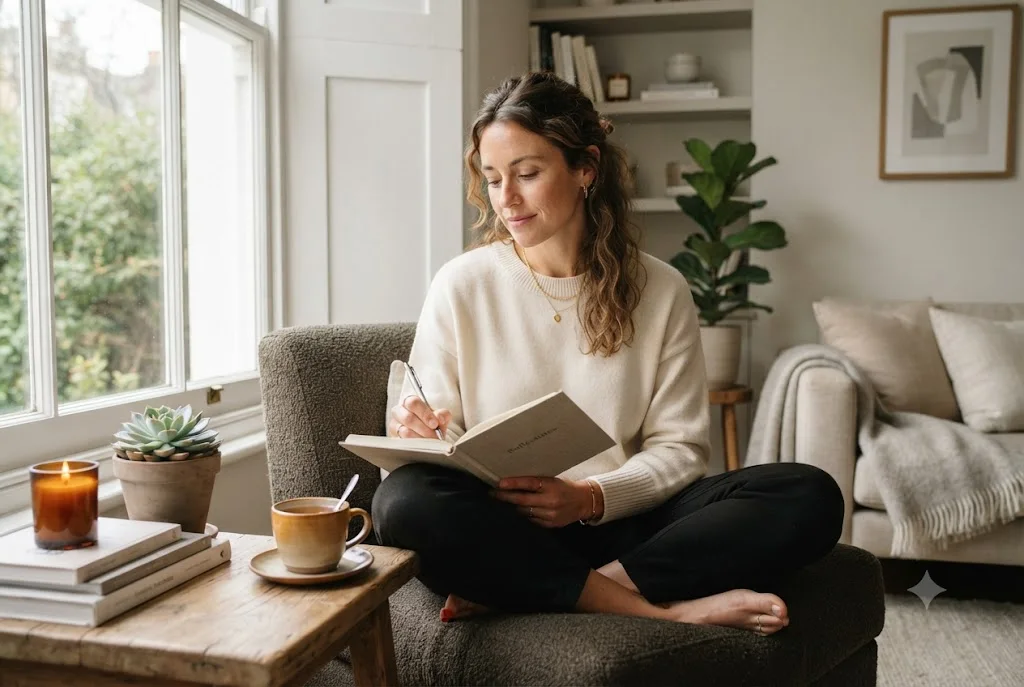
Mental wellness is an important part of feeling balanced, capable and comfortable in everyday life. It is not about being positive all the time or avoiding difficult emotions. Instead, it involves developing practical habits that support your emotional wellbeing, self-awareness, relationships and ability to cope with everyday challenges.
Small choices can make a meaningful difference. Taking time to rest, maintaining supportive relationships, moving your body, enjoying personal interests and creating moments of calm can all become part of a wider approach to wellbeing. The most useful routine is one that fits your circumstances and feels realistic enough to maintain.
What Does Mental Wellness Mean?
Mental wellness describes a broader state of emotional and psychological wellbeing. It includes how you relate to yourself, how you respond to everyday experiences and how you manage periods of stress or uncertainty.
It does not mean feeling happy every day. Everyone experiences disappointment, worry, frustration and sadness. Good mental wellbeing does not remove these emotions. Instead, it can involve having healthy ways to recognise and respond to them.
This is why mental wellness should not be treated as another form of perfection. There will be easier days and more difficult ones. A sustainable approach gives you flexibility to adjust your habits when your needs change.
Why Mental Wellness Matters in Everyday Life
Your mental wellbeing can influence how you approach work, relationships, personal responsibilities and ordinary decisions. When you are constantly rushing without time to recover, even small responsibilities can begin to feel overwhelming.
Creating regular opportunities to pause can help you become more aware of how you are feeling. You may notice that you need more rest, better boundaries, more time outdoors or simply a little less pressure in your daily schedule.
Mental wellness is therefore not limited to a single activity. It is better understood as a collection of habits and choices that support your overall wellbeing.
Wellness Practices That Fit Into Daily Life
The most effective wellness practices are often simple enough to fit into an ordinary day. You do not need to completely change your lifestyle to begin supporting your wellbeing.
Make Time for Rest
Rest is an essential part of looking after yourself. A busy schedule can make relaxation feel unproductive, but regularly giving yourself time to recover can help you maintain a healthier balance.
Rest can take different forms. You might read, listen to music, enjoy a quiet cup of tea, take a relaxing bath or simply spend some time away from your usual responsibilities.
Do not assume that every free moment needs to be filled with another activity. Sometimes doing less is exactly what you need.
Spend Time With Supportive People
Positive social connections can play an important role in wellbeing. Make time for people who allow you to be yourself and with whom you can communicate honestly.
This does not necessarily mean having a large social circle. A few supportive relationships can be more valuable than constantly trying to stay connected with everyone.
If you have been withdrawing from people because you are struggling, consider starting with a small interaction. A message, phone call or short coffee meeting may be easier than arranging a major social event.
Move Your Body in a Way You Enjoy
Physical activity can be part of a healthy lifestyle, but it does not have to mean intense exercise. Walking, stretching, dancing, gardening or another activity you enjoy can provide an opportunity to move and change your surroundings.
Choose activities that feel sustainable rather than punishing yourself with routines you dislike. The goal is to build habits that support your overall wellbeing rather than creating another source of pressure.
Build a Calmer Daily Routine
A predictable routine can make everyday responsibilities feel more manageable. It does not have to be rigid. Instead, identify a few anchor points that give your day structure.
For example, you might establish a consistent morning routine, take a short break during the afternoon and create a quieter evening routine before bed.
These small transitions can help separate work from personal time. They can also create opportunities to notice when you need to slow down.
A simple beauty routine can be one of those transitions. A beauty self care routine can turn ordinary grooming into intentional personal time when approached without pressure to achieve a particular appearance.
Body Confidence and Mental Wellness
Body confidence can have an important place within a broader approach to mental wellness. Feeling comfortable in your body does not mean loving every part of your appearance every day. It can simply mean developing a more respectful and balanced relationship with yourself.
Body image can be influenced by many things, including social comparison, advertising, cultural expectations and images presented online. Constantly comparing yourself with carefully selected photographs can create unrealistic expectations.
A healthier approach is to focus on what your body allows you to experience and do rather than treating appearance as its only value.
Move Away From Appearance-Based Self-Criticism
Notice how you speak to yourself when looking in the mirror. If your internal conversation is consistently harsh, try replacing absolute statements with more balanced language.
Instead of saying, “I look terrible today,” you might recognise that you are tired, having a difficult day or simply not feeling particularly confident at that moment.
This does not require forced positivity. It simply creates a little distance between a temporary feeling and a permanent judgement about yourself.
Wear Clothes That Help You Feel Comfortable
Clothing can influence how you feel throughout the day. Choose pieces that fit comfortably and allow you to move naturally.
Personal style can also become a form of self-expression. You might prefer classic clothing, simple accessories, bold colours or understated details. There is no need to follow one definition of what looks good.
For more on this relationship, explore confidence and style and consider how personal presentation can support self-expression without becoming a measure of self-worth.
Confidence From Wellness Habits
Confidence from wellness can develop gradually when you repeatedly keep promises to yourself. This might mean taking time to rest, maintaining a personal routine, setting a boundary or completing a small goal.
These experiences can reinforce the idea that your needs deserve attention. Confidence is not always created by dramatic achievements. Sometimes it grows from knowing that you can rely on yourself to take reasonable care of your wellbeing.
For example, deciding to take a short walk instead of continuing to work without a break can be a small act of self-respect. Setting aside an evening for yourself can be another.
Over time, these choices can strengthen your sense of personal agency.
Use Personal Style as Self-Expression
Style can support mental wellness when it is treated as creativity rather than competition. Choosing an outfit can become a small opportunity to express your personality and make decisions based on your own preferences.
Accessories can be particularly useful because small details can change how an outfit feels without requiring a complete wardrobe change. A favourite necklace, bracelet, pair of earrings or hair accessory can become part of your personal signature.
The important distinction is intention. Wear something because you enjoy it, not because you believe you need it to earn approval.
When style becomes an expression of identity, it can sit comfortably alongside broader wellness habits.
Protect Your Mental Space
Modern life provides constant access to information, messages and opinions. While technology can be useful, continuous exposure can make it difficult to create mental space.
Consider setting boundaries around when you check social media, emails or notifications. You might keep your phone away during meals or create a short period before bed without unnecessary digital distractions.
You do not need to disconnect completely. The aim is simply to make sure technology does not occupy every quiet moment of your day.
Practise Mindful Moments
Mindfulness does not have to involve a lengthy meditation session. You can practise being more present during ordinary activities.
When drinking tea or coffee, for example, pay attention to the temperature, taste and smell rather than immediately reaching for your phone. During a walk, notice your surroundings instead of spending the entire time thinking about what comes next.
These moments can give your attention a temporary break from constant planning and worrying.
If you already enjoy journalling, writing down a few thoughts at the end of the day can provide another opportunity for reflection. A self care journal can also be a practical starting point for people who enjoy guided reflection and personal writing.
Create Realistic Wellness Goals
Wellness goals work better when they are specific and manageable. Saying that you want to “improve everything” creates a vague target that is difficult to measure.
Instead, choose one small change. You might decide to take a short walk three times a week, spend ten minutes reading before bed or protect one evening each week for personal time.
Once that habit feels comfortable, you can decide whether another change would be useful.
There is no need to turn wellbeing into a productivity project. The purpose is to support your quality of life, not create another list of tasks you feel guilty about missing.
Know When You Need More Support
Self-care and wellness practices can be useful parts of everyday life, but they are not a replacement for professional support when someone is experiencing significant or persistent difficulties.
If low mood, anxiety, stress or other emotional difficulties are interfering with everyday life, relationships, work or your ability to function, consider speaking with an appropriate healthcare professional or mental health service.
Seeking support is not a sign that your personal wellness habits have failed. Sometimes looking after yourself means recognising when additional help would be appropriate.
Simple Mental Wellness Ideas for This Week
If you want to make a practical start, choose just a few ideas rather than trying to change everything at once.
- Take a short walk without constantly checking your phone.
- Set aside a few minutes for quiet reflection.
- Spend time with someone who makes you feel supported.
- Choose an outfit that feels comfortable and authentic.
- Write down one thing you handled well today.
- Protect a small amount of uninterrupted personal time.
- Try a relaxing beauty or evening self-care ritual.
- Reduce unnecessary social media scrolling.
- Make time for an activity you genuinely enjoy.
Small habits are easier to sustain when they fit your existing life. If one idea does not work for you, try another. There is no universal wellness routine.
Final Thoughts
Mental wellness is built through everyday choices rather than one perfect routine. Rest, supportive relationships, movement, mindful moments, personal style and healthy boundaries can all contribute to a more balanced approach to wellbeing.
Body confidence can also become part of this journey when you focus on respect rather than perfection. Likewise, confidence from wellness can develop as you learn to recognise your needs and make space for them.
Start small and remain flexible. The most valuable wellness practices are not necessarily the most complicated ones. They are the habits that genuinely support you and can become a realistic part of everyday life.
“`
