

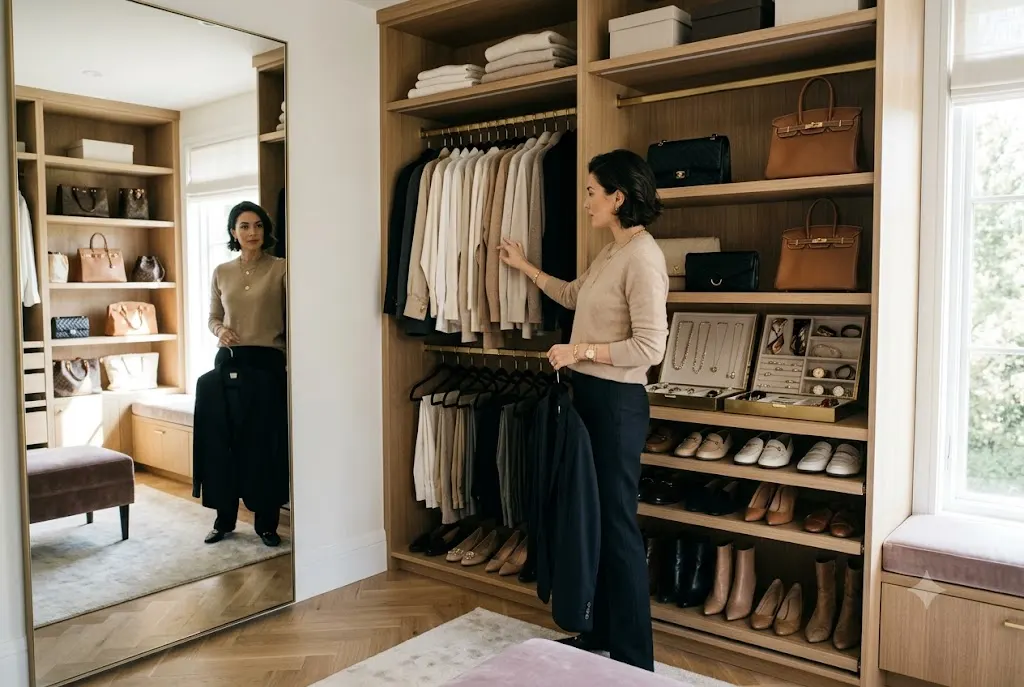
A practical fashion style guide helps you make confident wardrobe choices without relying on short-lived trends. Instead of filling your wardrobe with impulse purchases, a well-planned approach focuses on clothing that suits your personality, lifestyle, and everyday needs. The result is a collection of versatile outfits that are easy to mix, match, and wear throughout the year.
Whether you’re refreshing your wardrobe, discovering your signature look, or simply looking for better styling habits, this guide explains the foundations of great personal style and provides practical tips you can apply immediately.
Why You Need a Fashion Style Guide
A reliable fashion style guide removes the guesswork from getting dressed. Rather than wondering what works together, you’ll understand how to build coordinated outfits using timeless wardrobe staples and carefully chosen accessories.
Benefits include:
- More confident shopping decisions
- Better outfit coordination
- Less wardrobe clutter
- Greater versatility from existing clothing
- A more consistent personal style
Instead of chasing every new trend, you’ll focus on clothing that genuinely suits your body shape, preferences, and lifestyle.
Understanding Style Categories in Fashion
Learning about style categories fashion helps you identify the looks that best match your personality. Most wardrobes include a combination of different styles rather than fitting neatly into one category.
Classic Style
Built around timeless wardrobe staples, neutral colours, and elegant tailoring, classic fashion remains stylish regardless of changing trends.
Casual Style
Comfortable everyday clothing such as denim, knitwear, trainers, and relaxed layering creates effortless outfits suitable for daily life.
Minimalist Style
Minimalism focuses on clean lines, neutral palettes, quality fabrics, and versatile essentials with very little unnecessary detail.
Romantic Style
Soft fabrics, floral prints, flowing silhouettes, and delicate accessories create feminine and elegant outfits.
Modern Contemporary Style
This category blends timeless wardrobe basics with selected seasonal trends for a fresh yet balanced appearance.
Building Your Personal Style
Your wardrobe should reflect your lifestyle rather than simply following current fashion. Developing a consistent approach to style and fashion begins with understanding what you enjoy wearing most.
Ask yourself:
- Which outfits make you feel confident?
- What colours suit you best?
- Which fabrics are most comfortable?
- How formal is your daily routine?
- Which accessories do you wear regularly?
Your answers provide a strong foundation for creating a wardrobe that feels authentic and practical.
Creating an Outfit Style Guide for Everyday Dressing
An outfit style guide helps you create multiple looks from a relatively small wardrobe.
Choose Neutral Foundations
Start with versatile clothing such as white shirts, tailored trousers, quality denim, knitwear, and blazers.
Add Colour Through Accessories
Handbags, scarves, jewellery, belts, and hair accessories allow you to refresh outfits without replacing your wardrobe.
Balance Proportions
Pair oversized garments with fitted pieces to create balanced silhouettes that flatter your body shape.
Dress for the Occasion
Consider where you’re going before selecting your outfit. Practical styling always feels more confident than simply following trends.
Fashion Guidelines for Smarter Shopping
Following simple fashion guidelines helps you build a wardrobe you’ll actually wear.
- Buy quality over quantity whenever possible.
- Choose garments that coordinate with existing clothing.
- Prioritise fit before brand names.
- Invest in timeless wardrobe staples first.
- Avoid purchasing items you can only wear once.
- Consider fabric quality and garment construction.
These habits often save money while creating a more versatile wardrobe over time.
The Importance of Style Curation
Style curation means intentionally selecting clothing that supports your overall wardrobe rather than buying individual pieces without a plan.
Curating your wardrobe involves:
- Removing unworn clothing
- Replacing worn-out essentials
- Choosing complementary colours
- Investing in timeless accessories
- Building complete outfits instead of isolated purchases
This approach creates a wardrobe that’s easier to organise and much simpler to style every day.
Practical Tips on Styling Everyday Outfits
Learning on styling techniques doesn’t require expensive clothing. Small adjustments often make the biggest difference.
Layer Thoughtfully
Lightweight jackets, blazers, and knitwear add depth while allowing you to adapt to changing weather.
Accessorise with Purpose
Rather than wearing every accessory at once, choose one or two statement pieces that complement your outfit.
Pay Attention to Footwear
Shoes can completely change the tone of an outfit. Trainers create relaxed looks, while loafers or ankle boots instantly add sophistication.
Keep Proportions Balanced
If you’re wearing wide-leg trousers, consider a more fitted top. Likewise, oversized knitwear often pairs well with slimmer trousers or skirts.
How Accessories Complete Every Outfit
Accessories transform simple clothing into polished outfits. Hair clips, statement headbands, jewellery, handbags, scarves, and belts allow you to personalise your style while keeping your wardrobe versatile.
Choosing accessories that coordinate with multiple outfits helps maximise every purchase and adds variety without unnecessary spending.
Continue Building Your Style Journey
Developing great style is an ongoing process rather than a final destination. As your lifestyle evolves, your wardrobe should adapt alongside it while remaining true to your personal preferences.
If you’re building timeless wardrobe foundations, explore our guide to classic fashion definition to understand why classic pieces remain essential. For fresh everyday outfit ideas, visit our look of the day article, or discover creative style inspiration to help refine your signature look.
Final Thoughts
A well-planned fashion style guide gives you the confidence to build a wardrobe that reflects your personality while remaining practical, versatile, and timeless. By understanding different style categories, investing in quality essentials, and using accessories thoughtfully, you can create outfits that work for every season and every occasion without relying on constantly changing trends.
For additional insight into fashion history and timeless design, explore the collections available through the Victoria and Albert Museum, one of the UK’s leading authorities on fashion and textiles.
