

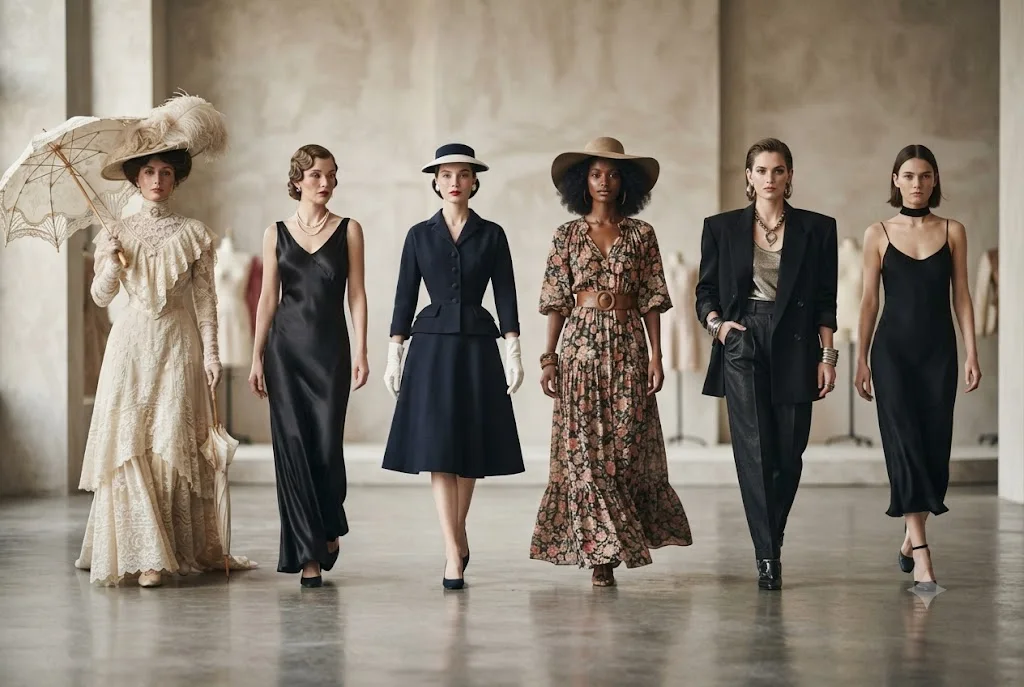
Womens fashion through the decades tells the story of changing lifestyles, cultural movements, and personal expression. From the elegant silhouettes of the early 1900s to the relaxed confidence of modern fashion, every era has introduced trends that continue to inspire designers today. Understanding fashion history not only provides style inspiration but also helps shoppers appreciate the timeless pieces that remain fashionable across generations.
Whether you love vintage clothing or simply want to understand how today’s trends developed, this guide explores the defining looks of each major fashion era.
Why Women’s Fashion Continues to Evolve
Fashion reflects far more than clothing. It often mirrors social change, technology, cultural influences, and economic conditions. As women’s roles evolved throughout history, so did the clothing designed for everyday life, work, and special occasions.
Many modern collections blend classic elements from previous decades with contemporary fabrics and styling, creating timeless wardrobes suitable for today’s lifestyles.
1900s Women’s Fashion: Elegance and Structure
1900s womens fashion was known for its sophisticated tailoring and formal appearance. Clothing focused on structured silhouettes, long skirts, high-neck blouses, and carefully fitted jackets.
Common features included:
- Floor-length dresses
- High collars
- Tailored coats
- Decorative hats
- Gloves and parasols
- Intricate embroidery
Attention to craftsmanship made garments highly detailed and designed to last for years.
The 1920s: Freedom and Modern Style
The 1920s introduced one of fashion’s biggest transformations. Shorter hemlines, looser silhouettes, and decorative embellishments reflected changing social attitudes.
Popular styles included:
- Flapper dresses
- Fringe details
- Dropped waistlines
- Art Deco accessories
- Cloche hats
This decade embraced individuality and marked a significant shift away from restrictive clothing.
Women’s Fashion in the 1930s
Womens fashion in the 1930s became softer and more elegant following the bold styles of the previous decade. Designers introduced flowing fabrics, feminine tailoring, and graceful evening wear.
Fashion during this period often featured:
- Bias-cut dresses
- Elegant evening gowns
- Tailored jackets
- Wide-leg trousers
- Classic handbags
Hollywood cinema also played an important role in influencing everyday style.
The 1940s: Practical Yet Stylish
During the 1940s, practicality became increasingly important. Fabric shortages encouraged simpler designs, while structured tailoring created polished looks suitable for work and everyday wear.
Women commonly wore:
- Knee-length skirts
- Utility dresses
- Smart blazers
- Military-inspired details
- Comfortable shoes
The 1950s: Feminine Elegance Returns
The post-war years saw a return to glamorous dressing. Full skirts, fitted waists, and elegant dresses became symbols of classic femininity.
Signature pieces included:
- Circle skirts
- Cardigans
- Pencil dresses
- Pearl jewellery
- Kitten heels
Many of these timeless designs remain wardrobe favourites today.
The 1960s: Bold Colours and New Trends
The 1960s embraced youthful fashion with brighter colours, shorter hemlines, and experimental prints.
Popular trends included:
- Mini skirts
- Shift dresses
- Geometric prints
- Knee-high boots
- Statement accessories
This decade celebrated creativity and personal expression.
The 1970s: Relaxed Bohemian Style
Fashion became more relaxed during the 1970s, blending casual comfort with expressive styling.
Key pieces featured:
- Wide-leg trousers
- Maxi dresses
- Suede jackets
- Platform shoes
- Earth-tone colours
The 1980s: Power Dressing
The 1980s introduced confident fashion characterised by bold tailoring and dramatic silhouettes.
Women embraced:
- Oversized blazers
- Shoulder pads
- Bright colours
- Statement belts
- Bold accessories
Professional workwear became increasingly influential during this decade.
90s Grunge Women’s Fashion
90s grunge womens fashion shifted towards effortless, relaxed dressing inspired by music and youth culture.
Popular items included:
- Oversized flannel shirts
- Ripped denim
- Combat boots
- Slip dresses
- Leather jackets
- Layered outfits
Many of these styles have returned in recent collections, proving that fashion often comes full circle.
How Vintage Fashion Inspires Modern Style
Today’s designers regularly reinterpret classic fashion rather than copying it directly. Vintage tailoring, timeless fabrics, and heritage-inspired accessories continue to influence modern collections.
Many shoppers now combine vintage-inspired garments with contemporary basics to create unique wardrobes that feel both modern and timeless.
Shopping for Timeless Fashion Today
Understanding fashion history makes it easier to build a wardrobe that lasts beyond seasonal trends.
If you’re searching for reliable retailers, our guide to online fashion stores explains how to find quality clothing online. You may also enjoy our advice on where to shop for clothes in your 30s for practical styling recommendations that combine timeless fashion with modern lifestyles.
Why Fashion History Still Matters
Fashion trends may change, but many classic pieces remain relevant decade after decade. Tailored blazers, well-made dresses, quality knitwear, and elegant accessories continue to form the foundation of stylish wardrobes.
Learning about women’s fashion through the decades helps shoppers appreciate craftsmanship, recognise timeless designs, and make more thoughtful purchasing decisions.
Final Thoughts
Women’s fashion through the decades showcases an incredible journey of creativity, innovation, and self-expression. From the structured elegance of the early 1900s to the relaxed confidence of 90s grunge, every era has contributed ideas that still influence fashion today. By understanding these historical styles, you can create a wardrobe that balances timeless classics with contemporary trends, ensuring your personal style remains both fashionable and uniquely your own.
To learn more about the history of fashion and textile design, visit the Victoria and Albert Museum, one of the UK’s leading resources for fashion history.
